
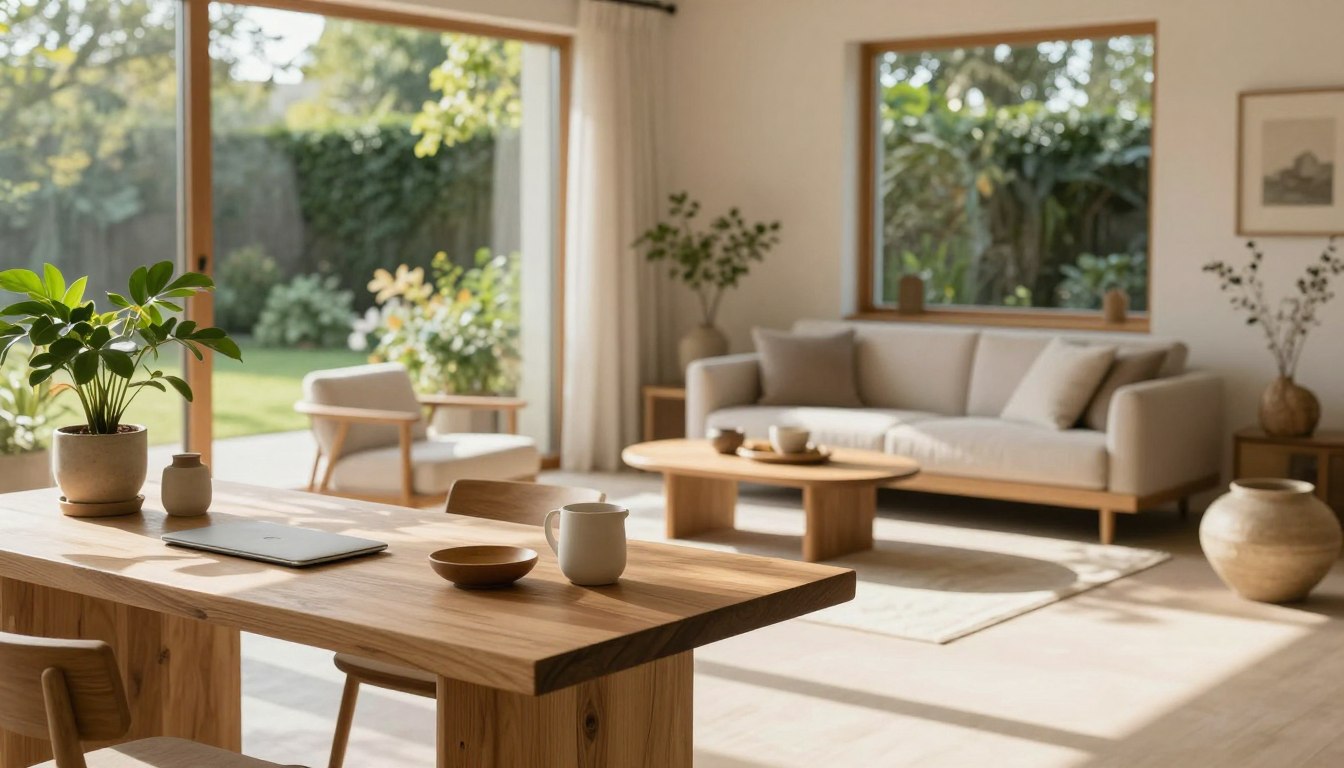
Did you know that the average American spends nearly 90% of their time indoors? This staggering statistic highlights why our immediate surroundings play a massive role in our overall health.
Embarking on a transformative journey toward better living starts with simple, intentional habits. You do not need a complete overhaul to see results. Instead, focus on small shifts that align your home environment with your core values.
True wellness is a personal process rather than a rigid set of rules. By making mindful choices every day, you create a space that supports your long-term happiness. Embrace the freedom to build a path that feels authentic to your unique needs.
Key Takeaways
- Prioritize small, intentional habits over drastic changes.
- Align your home environment with your personal values.
- View wellness as a flexible journey rather than a strict rulebook.
- Recognize the impact of your indoor surroundings on daily health.
- Focus on long-term well-being through consistent, mindful decisions.
Foundations of Clean and Conscious Lifestyle Design
Designing a life that honors the planet is a journey of small, deliberate choices. By focusing on clean and conscious lifestyle design, you can transform your home into a space that reflects your values while reducing your environmental footprint. This process begins with understanding that sustainability is not about perfection, but about consistent, mindful progress.
Defining Your Personal Sustainability Goals
Every household has unique needs, so your path toward sustainability should be personal and achievable. Start by identifying one or two areas where you can make the most impact, such as reducing plastic waste or lowering energy consumption. Setting realistic milestones helps you stay motivated without feeling overwhelmed by the scale of global environmental challenges.
- Audit your current waste habits to find easy wins.
- Choose goals that fit your specific budget and lifestyle.
- Track your progress to celebrate small victories along the way.
The Philosophy of Conscious Consumerism
At the heart of this movement lies the philosophy of conscious consumerism. This approach encourages you to pause and reflect before adding any new item to your home. By slowing down your shopping habits, you gain the clarity needed to avoid impulsive decisions that often lead to clutter and waste.
Evaluating Needs Versus Wants
Learning to distinguish between genuine needs and fleeting wants is a vital skill for any eco-conscious individual. Before making a purchase, ask yourself if the item serves a long-term purpose or if it is simply a temporary desire. Mindful reflection acts as a powerful filter, ensuring that only items that truly add value enter your living space.
Prioritizing Ethical Brands and Materials
When you do decide to buy, prioritize companies that value transparency and sustainability. Look for brands that utilize recycled materials, organic textiles, or fair-trade labor practices. Embracing conscious consumerism means supporting businesses that align with your commitment to a healthier planet and a more ethical future.
Implementing Sustainable Home Decor Practices
Creating a home that reflects your values starts with the materials you choose to bring inside. Transforming your living space into a sanctuary of environmentally conscious design requires careful selection of furnishings and finishes. By prioritizing quality over quantity, you can build a beautiful home that respects the planet.
Selecting Non-Toxic and Eco-Friendly Materials
The air quality in your home is directly impacted by the items you choose to decorate with. Many conventional products release harmful chemicals, but you can easily avoid these by opting for natural alternatives.
Choosing Natural Textiles Like Organic Cotton and Linen
When selecting fabrics for your home, look for natural fibers that are grown without harsh pesticides. Organic cotton and linen are excellent choices because they are biodegradable and breathable. These materials add a soft, organic texture to your rooms while ensuring your family stays away from synthetic residues.
Opting for Low-VOC Paints and Finishes
Traditional paints often contain volatile organic compounds (VOCs) that linger in the air long after the walls are dry. Choosing low-VOC or zero-VOC paints is a simple way to improve your indoor environment. These modern options provide a durable finish without the strong chemical odors associated with standard paints.
Curating a Space with Second-Hand and Vintage Finds
One of the most effective ways to practice sustainable home decor is to give existing items a second life. Shopping for pre-loved pieces reduces the demand for new manufacturing and keeps waste out of landfills.
The Benefits of Upcycling Existing Furniture
Upcycling allows you to personalize your space while saving money and resources. A fresh coat of eco-friendly paint or new hardware can turn a dated dresser into a stunning focal point. This creative process ensures your home features unique items that tell a story.
Sourcing Quality Pieces from Local Consignment Shops
Local consignment shops are hidden gems for finding high-quality furniture that has stood the test of time. By shopping locally, you reduce the carbon footprint associated with shipping new goods. You will often find solid wood pieces that are far more durable than modern, mass-produced alternatives.
| Material Type | Environmental Impact | Durability |
|---|---|---|
| Organic Cotton | Low (Biodegradable) | High |
| Synthetic Polyester | High (Microplastics) | Medium |
| Vintage Solid Wood | Very Low (Reused) | Very High |
| Particle Board | High (Chemical Glues) | Low |
Adopting Mindful Habits for Green Living
Embracing a greener lifestyle is less about perfection and more about the consistent, mindful living habits you build over time. By focusing on small, intentional actions, you can create a home environment that honors the planet while simplifying your daily routine. These green living tips are designed to help you transition toward a more sustainable existence with confidence and ease.
Reducing Household Waste Through Daily Rituals
Waste reduction begins with understanding what enters your home and how you dispose of it. By shifting your perspective, you can turn mundane chores into meaningful contributions to the environment.
Mastering Composting and Recycling Basics
Composting is one of the most effective ways to divert organic waste from landfills. You can start small with a countertop bin for food scraps like coffee grounds and vegetable peels. Proper recycling also requires attention to detail; always rinse your containers and check local guidelines to ensure you are sorting materials correctly.
Transitioning to Plastic-Free Kitchen Essentials
The kitchen is often the largest source of household waste, but it is also the easiest place to start your journey toward eco-friendly living. Swap out single-use plastic wrap for beeswax wraps or silicone lids. Investing in glass storage jars not only keeps your food fresh but also eliminates the need for disposable plastic bags.
Energy Efficiency and Water Conservation Tips
Conserving resources is a cornerstone of mindful living. Small adjustments to your home’s infrastructure can lead to significant savings on your utility bills while reducing your carbon footprint.
Optimizing Natural Lighting and Insulation
Maximize the use of natural light by keeping windows clean and using sheer curtains during the day. This simple habit reduces your reliance on artificial lighting. Additionally, checking your home for drafts and improving insulation helps maintain a comfortable temperature without overworking your heating or cooling systems.
Installing Low-Flow Fixtures for a Greener Home
Water is a precious resource that deserves our protection. Installing low-flow showerheads and faucet aerators is one of the most impactful green living tips for any homeowner. These devices maintain water pressure while significantly reducing your daily consumption, making eco-friendly living a seamless part of your home maintenance.
Conclusion
Transforming your living space into a sanctuary requires patience and a clear vision. Every small choice you make creates a ripple effect that benefits the planet.
Embracing eco-friendly living is a journey rather than a destination. You gain momentum by focusing on progress instead of perfection in your daily habits.
Brands like Patagonia and West Elm show that style and ethics can coexist beautifully. Your home reflects your values when you prioritize quality over quantity.
Commit to these changes to see how your environment shifts over time. A mindful approach to your surroundings fosters peace and long-term satisfaction.
Share your favorite sustainable discoveries with friends to inspire others in your community. Your dedication to eco-friendly living serves as a powerful example for those around you.
Keep exploring new ways to reduce your footprint as you grow. Your path toward a conscious lifestyle remains a rewarding endeavor for years to come.